Science
 SCIENCE|01.04.2026How a seabird native to Hawaii has adapted to life in Honolulu's concrete jungleKaʻiulani Murphy is quick to spot white terns flapping their wings when she's guiding Polynesian voyaging canoes across the Pacific. Manu-o-Kū can breed year round, but activity peaks from winter into early spring.
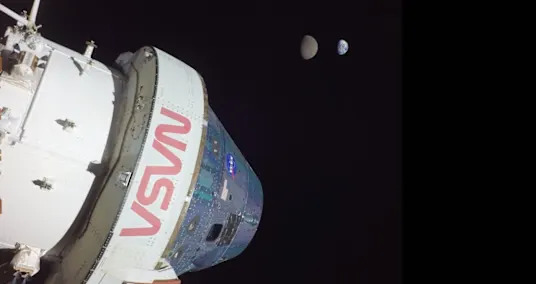
- SCIENCE|01.04.2026NASA's moon mission has begun — here's what's ahead for the Artemis II astronautsNASA's Artemis II mission is underway. The astronauts are scheduled to fly around the moon Monday. Here's what to know about their 10-day journey through space.
- SCIENCE|01.04.2026Why is the Artemis 2 rocket launch different from all other rocket launches?That's one small sip of Manischewitz…
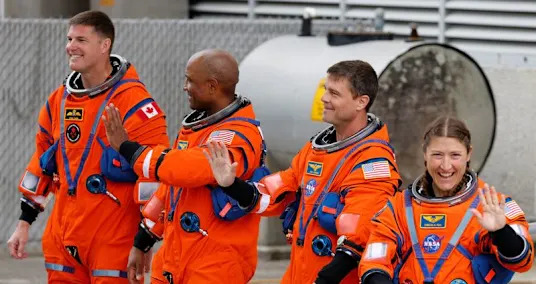
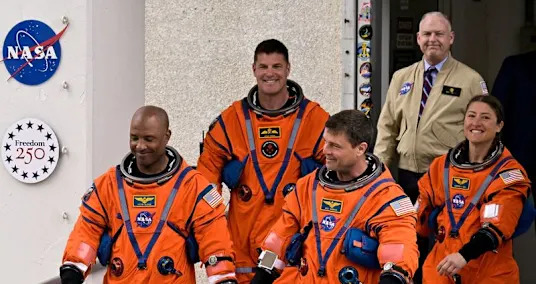
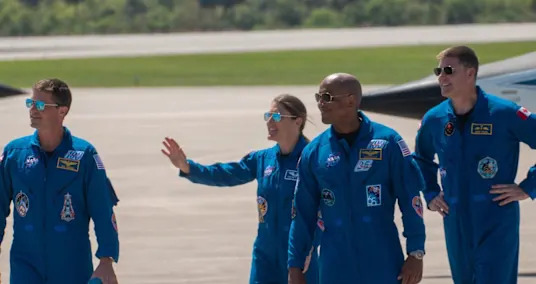
- SCIENCE|01.04.2026Factbox-Artemis II crew includes first woman, Black astronaut and Canadian ever flown to moonApril 1 (Reuters) - All three NASA astronauts on the Artemis II lunar mission are veterans of Earth-orbit science expeditions to the International Space Station, while the lone Canadian joining them
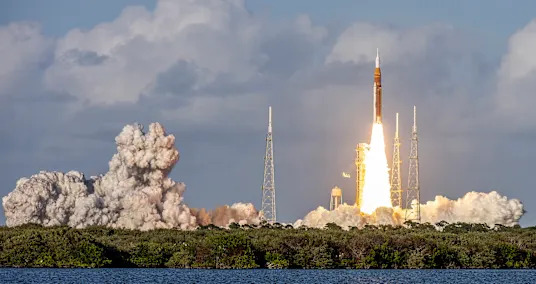
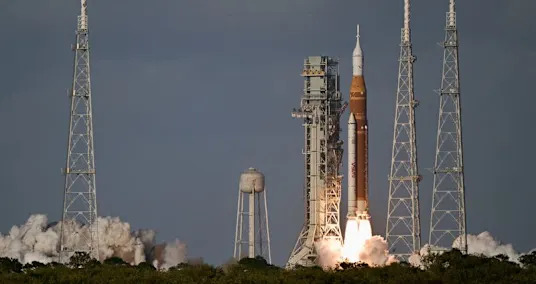
- SCIENCE|01.04.2026Reactions as Artemis II astronauts lift off on historic lunar missionApril 1 (Reuters) - Four astronauts blasted off from Florida on Wednesday on NASA's Artemis II mission, a 10-day trip around the moon that would be the farthest humans have ever traveled and a major
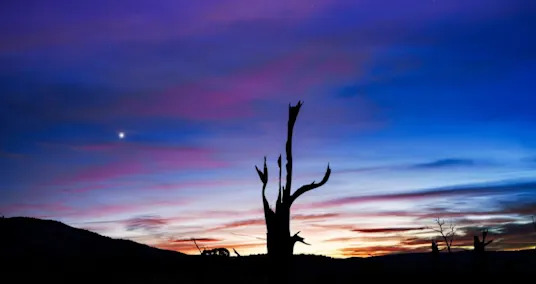
- SCIENCE|01.04.20262 bright planets light up April evenings — here's where and when to lookVenus and Jupiter dominate April's evening sky, while Mercury, Mars and Saturn linger in the dawn — here's how and when to spot them all.
- SCIENCE|01.04.2026Analysis-NASA's moon mission tests aerospace old guard as SpaceX, Blue Origin hoverBy Akash Sriram and Joey Roulette April 1 (Reuters) - NASA's Artemis II mission is shaping up to be more than just the next step in returning humans to the moon — it is a key test of whether the
- SCIENCE|01.04.2026What do scientists hope to learn from NASA's historic Artemis 2 moon flyby?Here's what's on the experiment roster for the Artemis 2 moon mission.
- SCIENCE|01.04.2026Argentina joins NASA’s moon return with microsatellite testing GPS beyond EarthBy Lucila Sigal BUENOS AIRES, April 1 (Reuters) - An Argentine-built microsatellite, the only one from Latin America selected for NASA's return to the moon, will test experimental navigation systems
- SCIENCE|01.04.2026NASA's Artemis 2 moon launch may be visible from Florida and southern Georgia today. Here's when to lookHere's where you need to be to see the Artemis 2 moon rocket launch with your own eyes.
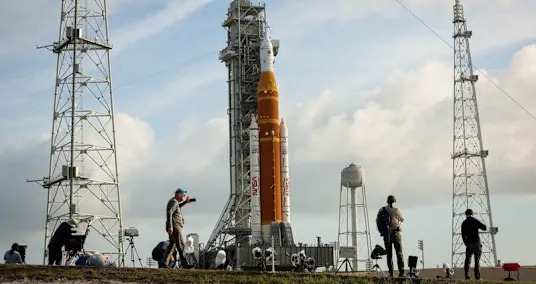
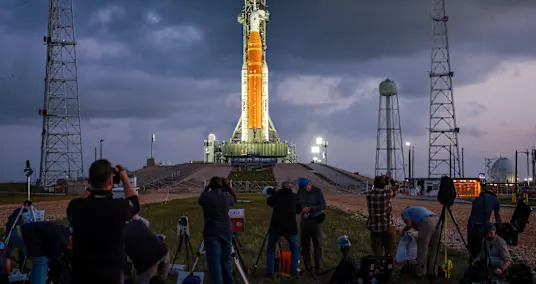
- SCIENCE|01.04.2026Excited visitors for NASA's moon launch jockey for prime viewsLocals and visitors who came for the moon launch are jockeying for prime spots to see NASA's Artemis II mission lift off, with some resorting to extreme measures.
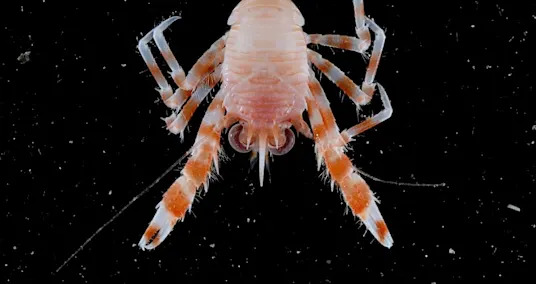
- SCIENCE|01.04.2026More Than 110 New Species Discovered In Deep Waters Off AustraliaScientists have identified more than 110 new species found in deep water beyond the edges of Australia's Great Barrier Reef.
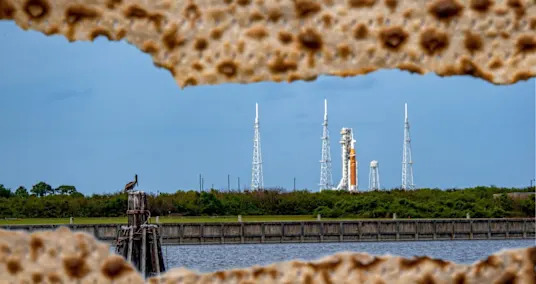
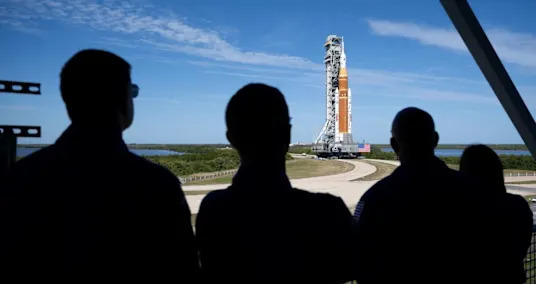
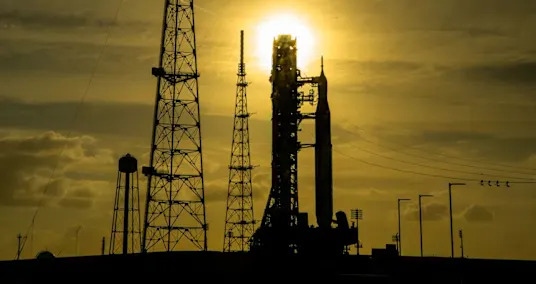
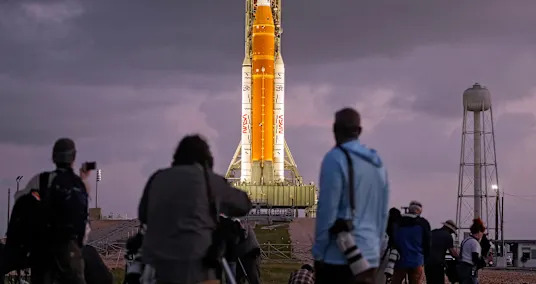
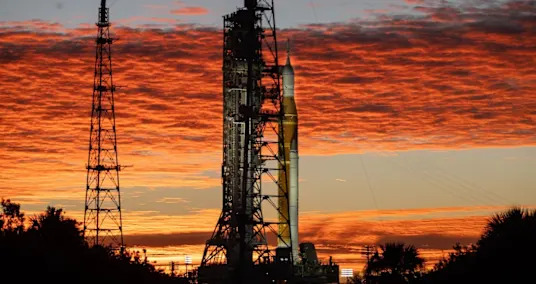
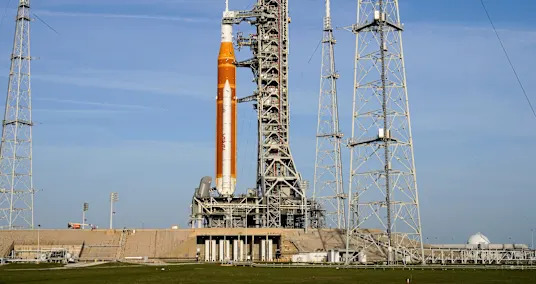
- SCIENCE|01.04.2026The Latest: Fueling begins as NASA aims to send 1st crew to the moon in 53 yearsLaunch preparations have begun for the Artemis II mission, NASA’s planned lunar fly-around by four astronauts that will be the first moon trip in 53 years. Tensions were high as hydrogen fuel started flowing into the rocket hours ahead of the planned launch. The launch team needs to load more than 700,000 gallons of fuel (2.6 million liters) into the 32-story Space Launch System rocket on the pad before the Artemis II crew can board.
- SCIENCE|01.04.2026Students were skipping my astrophysics class to play video games – so I turned the class itself into a video gameWith college students less likely to read through a full textbook than they once were, video games can help keep them engaged.
- SCIENCE|01.04.2026NASA begins fueling rocket to launch astronauts on the first lunar trip in half a centuryNASA begun fueling its moon rocket Wednesday for humanity’s first lunar trip in more than half a century, aiming for an evening liftoff with four astronauts. Tensions were high as hydrogen fuel started flowing into the rocket hours ahead of the planned launch. The launch team needs to load more than 700,000 gallons of fuel (2.6 million liters) into the 32-story Space Launch System rocket on the pad before the Artemis II crew can board.
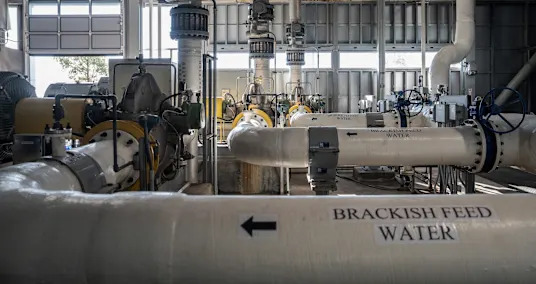
- SCIENCE|01.04.2026What you need to know about desalination, a growing source of drinking waterAs climate change intensifies droughts, disrupts rainfall patterns and fuels wildfires, more regions are turning to the sea for drinking water. Desalination, which is the process of removing salt from seawater, offers a way to produce freshwater in regions that lack sufficient rain, rivers or groundwater to meet demand. Today, it supplies water to hundreds of millions of people worldwide, from the Middle East to the U.S., and its use is growing as water scarcity deepens.
- SCIENCE|01.04.2026NASA set to launch Artemis 2 moon mission today, the 1st crewed lunar flight since 1972NASA plans to make history today (April 1) with the launch of Artemis 2, the first crewed moon mission since Apollo 17 in 1972.
- SCIENCE|01.04.2026NASA counts down for first crewed lunar mission in half a centuryBy Joey Roulette CAPE CANAVERAL, Florida, April 1 (Reuters) - NASA is set to launch four astronauts as soon as Wednesday evening on a 10-day flight around the moon, marking the most ambitious U.S.
- SCIENCE|01.04.2026The Artemis II launch is tonight. Here's how to watch it live.As launch time approaches for NASA's first moonshot in more than half a century, anticipation is building for the Artemis II mission. Here's how to watch tonight's liftoff.
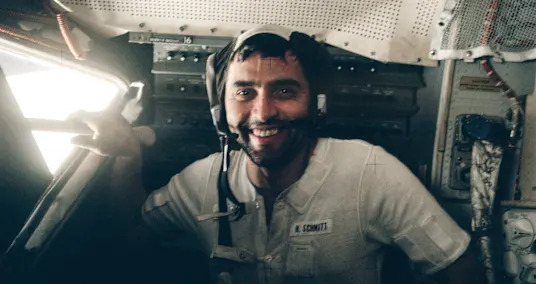
- SCIENCE|31.03.2026He walked on the moon in 1972. This is his advice for the Artemis II astronauts.Harrison Schmitt, now 90, was on the Apollo 17 mission — the last time humans visited the moon. On Wednesday, NASA's Artemis II mission aims to kickstart a return.
- SCIENCE|31.03.2026Yes, NASA's launching Artemis 2 astronauts to the moon on April Fools' Day. It's not a joke.NASA is hoping for a historic moon launch, not a punchline on April 1.
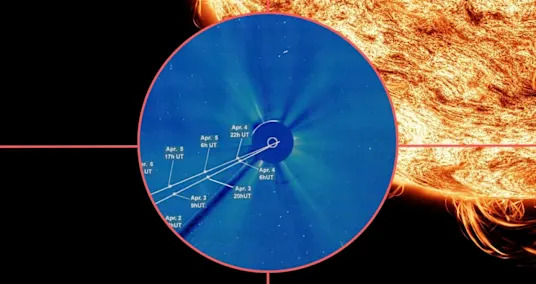
- SCIENCE|31.03.2026Comet MAPS faces a make-or-break moment as it dives toward the sun on April 4 — could it shine in the daytime sky?Comet MAPS is about to face its ultimate test as it sweeps just 101,000 miles above the sun's surface.
- SCIENCE|31.03.2026What will happen if Artemis 2 astronauts get hit by a solar storm during NASA's ambitious moon mission?"If an event is particularly bad, there are some places in the capsule, such as storage bays and down by the toilet, that the crew can go to."
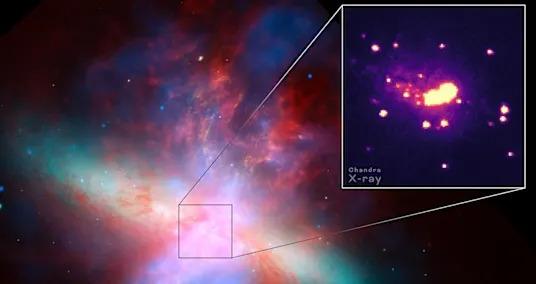
- SCIENCE|31.03.2026This star-forming galaxy is blowing out powerful winds topping 2 million mphNASA's XRISM X-ray spacecraft has clocked 2 million mph winds ripping out of a distant galaxy bursting with star formation.
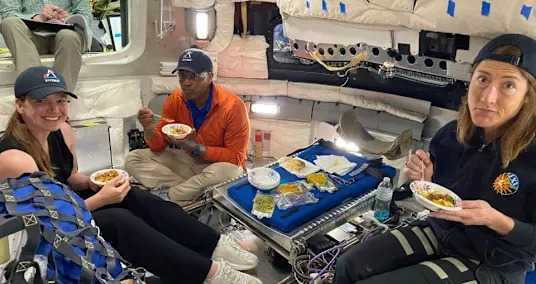
- SCIENCE|31.03.2026What will the Artemis 2 astronauts eat during their historic moon mission? (video)The Artemis 2 astronauts will spend about 10 days flying to and from the moon, so they'll need to find creative ways to dine in a small space.
- SCIENCE|31.03.2026What to watch for as NASA’s historic Artemis II crew prepares to lift off toward the moonNASA’s Artemis II mission is targeting a Wednesday launch. Here’s what you can expect to see.
- SCIENCE|31.03.2026April’s full pink moon will rise in the night sky this weekNamed after spring blooms, April’s full pink moon rises Wednesday during the first night of the April launch window for the Artemis II human moon mission.
- SCIENCE|31.03.2026Here's what the Artemis 2 astronauts will be doing on each day of NASA's historic moon missionThe crew's 10-day mission will be filled with science, spacecraft tests, medical checks, survival training and more.
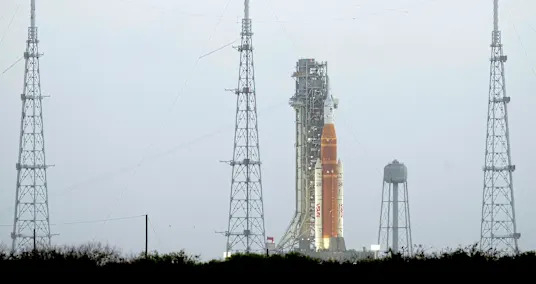
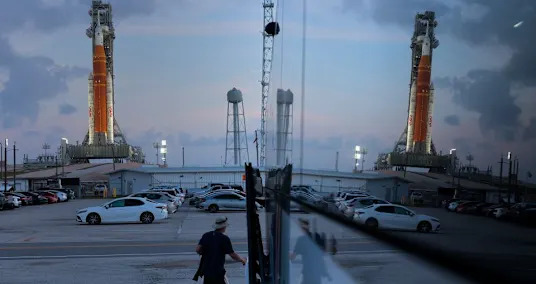
- SCIENCE|31.03.2026Moon rocket and weather are on NASA's side for the first astronaut launch in decadesAfter weeks of fuel leaks and other issues, NASA faced a trouble-free countdown Tuesday on the eve of astronauts' first trip to the moon in more than half a century. Officials reported the moon rocket was doing well on the pad, and the weather looked promising. The four astronauts assigned to the Artemis II mission will become the first lunar visitors since Apollo 17 in 1972.
- SCIENCE|31.03.2026Artemis will take Americans to the moon for the 1st time since 1972. Why has it been so hard to go back?Five reasons why human space flight is a bigger challenge today than it was during the Apollo era.


LATEST POSTS
- 1Australia Cracks Down on Gambling Ads as Prediction Markets Like Polymarket Remain Blocked
- 2Iran, Hezbollah fire rockets at Israel during Passover celebrations
- 3From Iran to Israel: An Iranian volunteer’s unlikely stand in wartime
- 4Surf Spot Mechanics: Bells Beach
- 5Environmental groups urge Germany to cut oil and gas dependence