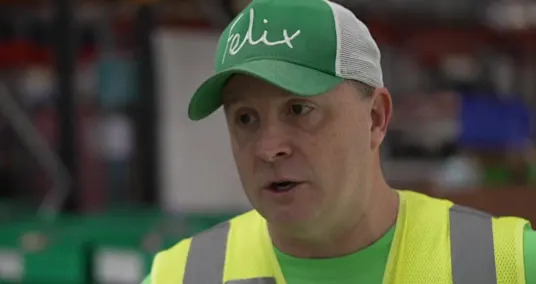
"We have big chillers that hold all of our chilled and frozen food across the city, where we'll see increased prices. We will feel a pinch and so will our charity partners downstream."
Shane Dorsett, chief operating officer at The Felix Project, said the food redistribution charity was feeling the effects of higher energy and fuel prices because of the conflict in the Middle East.
The price of oil has soared since the Strait of Hormuz - through which 20% of the world's oil trade passes through - was effectively blocked.
Across the UK, average petrol prices have reached around £1.52 a litre, about 20p higher than at the start of the conflict. Diesel has risen to just over £1.82.
That means filling up a typical family car now costs roughly £10 more for petrol and more than £21 extra for diesel.
Last year, The Felix Project rescued 18,000 tonnes of surplus food from more than 200 suppliers and delivered it to about 1,200 community organisations across London.
Dorsett said: "We've got 60 vans out on the road, so we have concerns there."

Fitbakes, a bakery based in Paddington which has products stocked in more than 2,000 supermarkets, said rising costs were making things tougher.
Its founder Ella Rauen-Prestes said after years of steady growth, the focus right now was "simply survival".
"I am seeing businesses like ours that started with us, 90% of them [are] folding," she said.
"And I think we just, we found different ways to cope."
Businesses and charities such as the Felix Project are calling for government support while the situation in the Middle East continues.
On Wednesday, Prime Minister Sir Keir Starmer said dealing with the economic consequences of the Iran war would "not be easy".
So far, the Labour government has announced extra money to help people who use heating oil.
A Department for Energy Security and Net Zero spokesperson said: "Families and businesses will be worried about the impact of conflict in the Middle East here at home. The government is determined to fight people's corner.
"We have acted to prevent unfair practices like price-gouging, and ensure businesses get a fair deal on their bills.
"We are working to end this conflict as soon as possible, but whatever happens we'll take the necessary action to tackle the affordability crisis."
Sir Keir previously said the government would "step in" if fuel companies tried to "rip off customers".
According to the government, the supply of oil to the UK remains healthy in spite of the conflict and stressed that panic buying was not necessary.
Listen to the best of BBC Radio London on Sounds and follow BBC London on Facebook, X and Instagram. Send your story ideas to [email protected]
latest_posts
- 1
 Find the Marvels of the World with These Travels
 - 2Best bar-b-que Style: Which One Is Your Number one?
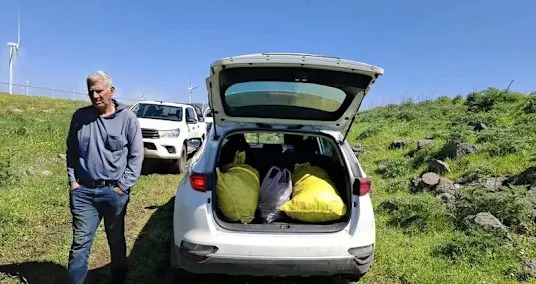
- 3Hundreds of kilos of protected plant seized by Israel Nature and Parks Authority in Golan
- 43 back-to-back storms forecast to bring snow and surges of cold air across the Midwest to the Northeast
- 5West Palm Beach Shorecrest, renderings of downtown waterfront condo




- Israel strikes Iranian nuclear development facilities, Tehran vows retaliation
- Dolly Parton misses Dollywood event due to 'a few health challenges' after skipping honorary Oscars
- Ageless Tastefulness: An Outline of Valuable Gemstones and Adornments
- Red Crescent: More than 100,000 civilian structures damaged in Iran
- Exploring Asia’s Realm of Flying Snakes
- The 15 Most Rousing TED Chats on Self-awareness
- Former school bus aide pleads guilty to assaulting 3 autistic students in Colorado
- Explora Journeys becomes latest cruise line to be impacted by Middle East war
- The newest 'Project Hail Mary' trailer shows Ryan Gosling befriending an alien in Phil Lord and Chris Miller's space epic